Building a custom home in Toronto is a rewarding experience, but it’s also one of the most significant financial undertakings many homeowners will ever make. That’s where Construction Loans for Custom Homes become essential. These specialized loans help you finance the cost of designing and building a home from the ground up, giving you flexibility and control over the entire project.
In this guide, we’ll explain what construction loans are, how they work specifically for custom homes in Toronto, what lenders look for, and how you can secure financing with confidence. Whether you’re planning to work with a lender directly or partnering with the Best Custom Home Builder in Toronto, this article will help you understand all your options.
What Are Construction Loans for Custom Homes?
A Construction Loan for Custom Homes is a short‑term, interim financing solution designed to cover the costs associated with building a house. Unlike a traditional mortgage, which is funded as a lump sum upon closing, a construction loan is disbursed in stages, corresponding to the progress of your build.
Key Features
- Interest‑Only Payments During Construction: You typically pay only interest on funds that have been released at each stage, reducing early monthly costs.
- Draw Schedule: Funds are released in phases (e.g., foundation, framing, finishes) as certified by inspections.
- Conversion to Mortgage: Once construction is complete, the loan often converts to a traditional mortgage without needing to refinance.
A strong understanding of Construction Loans for Custom Homes helps you plan better, avoid surprises, and stay in control of your budget.
How Construction Loans Work in Toronto
Construction loans in Toronto operate differently from standard home mortgages due to the complexity and risk involved in building from scratch.
1. Pre‑Approval and Budgeting
Before lenders approve a construction loan, they usually require:
- Detailed builder quotes
- Architectural plans
- Project timeline
- Cost breakdown
They want to understand exactly how much each stage will cost and how long the build will take.
2. Draw Schedule Releases
Instead of receiving one lump sum, your funds are released as the build progresses. A typical draw schedule might look like this:
| Stage | Approx. % of Total |
| Foundation and Excavation | 15% |
| Framing | 25% |
| Mechanical & Rough‑Ins | 20% |
| Interior Finishes | 30% |
| Final Completion | 10% |
This staged release gives lenders confidence that money is being used appropriately and helps homeowners manage cash flow throughout the project.
Interest Rates and Payments Explained
During the construction period, you generally make interest‑only payments on the amount that has been disbursed so far. This means your monthly payments are lower while the home is being built.
Typical Loan Structure
- Interest‑Only Period: During construction (usually 6–18 months)
- Conversion to Mortgage: After completion when full principal + interest payments begin
Because these loans are considered higher risk than conventional mortgages, interest rates are often slightly higher. However, converting to a traditional mortgage once the home is complete may allow for lower long‑term rates.
Qualifications and Requirements
To secure a Construction Loan for Custom Homes, lenders typically evaluate the following:
Financial Requirements
- Good credit score (typically 680+)
- Stable income
- Down payment (often 20–25%)
- Debt‑to‑income ratio within acceptable limits
Project Requirements
Lenders also assess the project itself:
- Detail architectural plans
- Verified builder agreements
- Permits and approvals
- Realistic cost estimates from qualified contractors
Having these components prepared before applying increases your chances of approval and speeds up the financing process.
Common Mistakes to Avoid with Construction Loans for Custom Homes
Building a custom home is complex, and dealing with financing adds another layer. Here are common pitfalls to avoid:
Underestimating Total Costs
Many homeowners focus only on construction costs and forget:
- Permit fees
- Site preparation
- Utility connection fees
- Landscaping
When planning your budget for a custom home, it’s crucial to account for all costs involved, including permits, site preparation, and landscaping. Our Cost of Custom Home Building in Toronto offers a detailed breakdown of what to expect and how to plan for your project.
Skipping a Detailed Contingency Plan
Unexpected issues happen, especially in custom builds. A typical contingency fund of 10, 15% of total costs protects against surprises like:
- Material price increases
- Weather delays
- Unforeseen site issues
Not Getting Pre‑Approved Early
Applying for financing after beginning your project can delay approvals and slow down progress. Early pre‑approval sets expectations and prevents setbacks.
Benefits of Construction Loans for Custom Homes
Construction loans are designed to give you flexibility and control over your project. Here’s why many homeowners choose them:
Flexible Funding
You only pay interest on funds that have already been released.
Customized Loan Structure
Loans are tailored to your build schedule and financial needs.
Smooth Mortgage Transition
Many lenders provide a construction‑to‑mortgage option, so you don’t have to refinance later.
Better Budget Oversight
Draw schedules keep spending aligned with project progress.
How the Best Custom Home Builder in Toronto Can Help
Partnering with a reputable builder improves your chances of securing a Construction Loan for Custom Homes because lenders want to see reliability and proven execution. Experienced builders help in several ways:
- Providing detailed quotes and accurate schedules
- Offering portfolio evidence of completed projects
- Coordinating inspections and draw requests
- Ensuring quality, which reduces lender risk
When lenders see a strong builder like the Best Custom Home Builder in Toronto associated with a project, it can make financing smoother and approval more predictable.
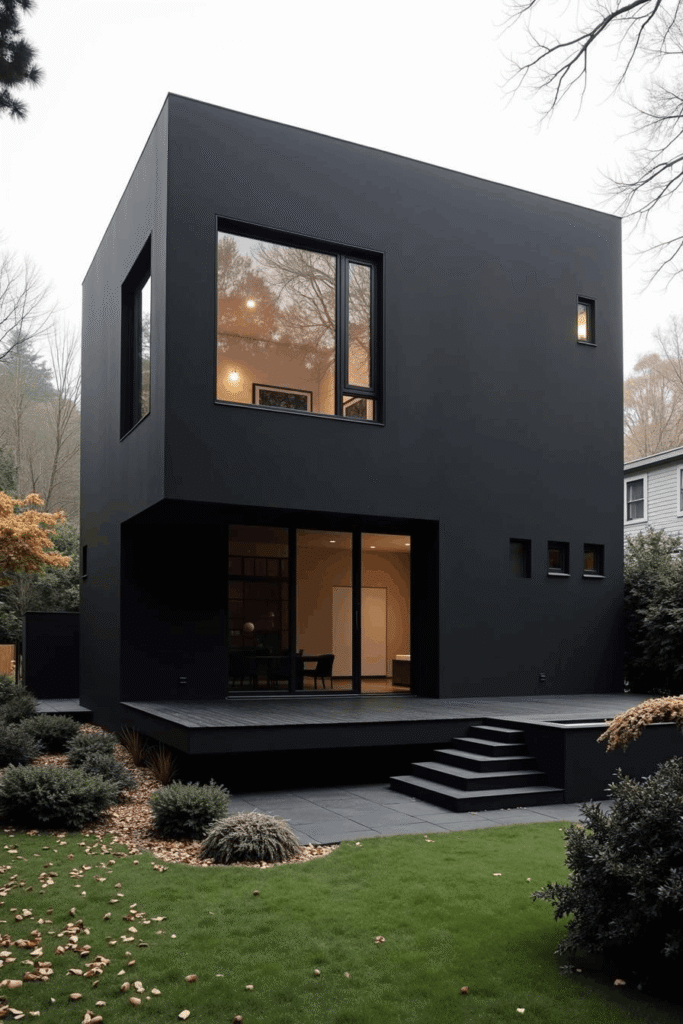
Partnering with a reputable builder like Select Design Build ensures smooth coordination and increases your chances of loan approval. Our Design-Build Project Management approach combines both design and construction management, helping lenders feel confident in the process and reducing risks.
Alternative Financing Options
While traditional construction loans are common, there are alternatives:
1. Construction‑to‑Permanent Mortgages
Also known as “convertible” loans, the amount borrowed converts directly into a long‑term mortgage once construction is complete without a second closing.
2. Home Equity or HELOC
If you already own property with equity, a Home Equity Line of Credit (HELOC) can sometimes fund construction expenses.
3. Personal or Bridge Loans
Short‑term financing to cover interim gaps. These are typically more expensive and best used with careful planning.
Tips for Securing the Best Construction Loan
To improve your chances of approval and get favorable terms, follow these tips:
Get Pre‑Approved Early
Lenders like to see early preparation. A pre‑approval shows commitment and financial readiness.
Provide Accurate Cost Estimates
Detailed builder quotes and architectural plans reduce lender uncertainty.
Maintain a Strong Credit Score
Good credit improves loan terms and interest rates.
Keep Your Financial Documents Ready
Be prepared with:
- Tax returns
- Income statements
- Bank statements
- Asset details
Consider a Co‑Signer if Needed
If your financial situation isn’t ideal, a co‑signer with strong credit may help secure financing.
Conclusion
Understanding Construction Loans for Custom Homes is essential for anyone planning to build their dream home in Toronto. These loans offer a flexible, staged funding approach that aligns with the construction process, helping you manage cash flow, stay on schedule, and move confidently from foundation to final finishes.
Whether you’re navigating lender requirements or planning your budget for the future, preparation is key. Working with trusted professionals, including architects, lending specialists, and the Best Custom Home Builder in Toronto, increases your chances of financing success and a smooth build from start to finish.
If you’re ready to build, take time to review your financing options and start your journey toward a custom home that reflects your vision and serves your family for years to come.